Why a Border Upgrade Becomes a Regional Story
India's smart border project is presented as a security upgrade, but in South Asia border technology rarely stays technical. It enters debates about sovereignty, trust, privacy, trade, and strategic perception. A camera on one frontier may be seen as safety by one government, pressure by another, and daily surveillance by a local community.
This article completes the cluster that begins with our pillar analysis on India Smart Border 2026 and why Bangladesh matters. The pillar explains the core project. This article looks at the regional risks: Bangladesh's community concerns, Pakistan's strategic reading, data governance, and the danger of poor communication.
India has legitimate security concerns. Reuters reporting on drone-related issues around the Pakistan-facing frontier and Indian government material on CIBMS show why technology is attractive. But legitimate security does not remove the need for rules. The stronger the surveillance system becomes, the more important transparency becomes.
WinTK follows this issue because South Asia's next border disputes may be about data as much as territory.
Bangladesh Risk: Community Pressure and Trade Friction
Bangladesh's main risk is not military escalation. It is local disruption. A smart border may affect farmers, traders, transport workers, land-port users, and border haat participants. If the system improves detection while protecting legal movement, it may reduce uncertainty. If it creates new delays and suspicion, the cost will fall on communities first.
Border residents need predictable rules. They need to know where they can move, how markets will operate, and how complaints will be handled. If new cameras or sensors appear without explanation, people may assume the border is becoming harder even before any policy officially changes.
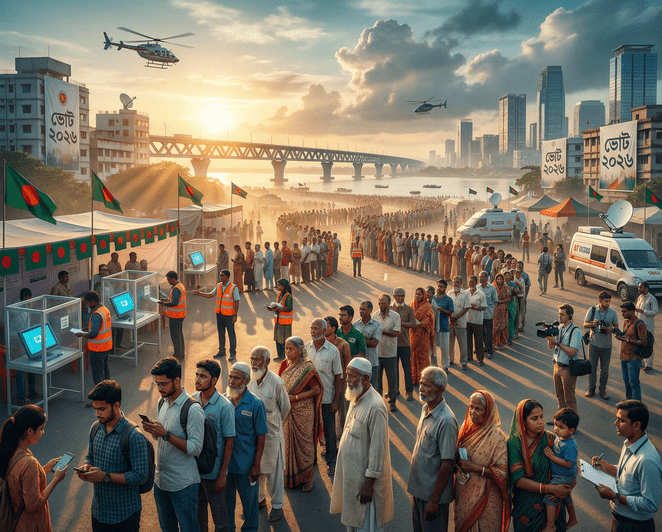
That is why our detailed report on India Smart Border's impact on Bangladesh treats local mobility and trade as central issues, not side notes. Security policy becomes more sustainable when it protects ordinary routines.
Pakistan Risk: Strategic Misreading
The Pakistan-facing frontier carries a different risk. Here, smart border technology may be read through military rivalry and crisis history. Drone detection, radar expansion, and integrated command centres may be described as defensive, but the other side may still read them as increased capability.
This does not mean surveillance should not improve. It means technical upgrades need crisis discipline. A drone alert, sensor signal, or unusual patrol response can become politically charged if evidence is unclear. In a tense environment, public statements matter almost as much as equipment.
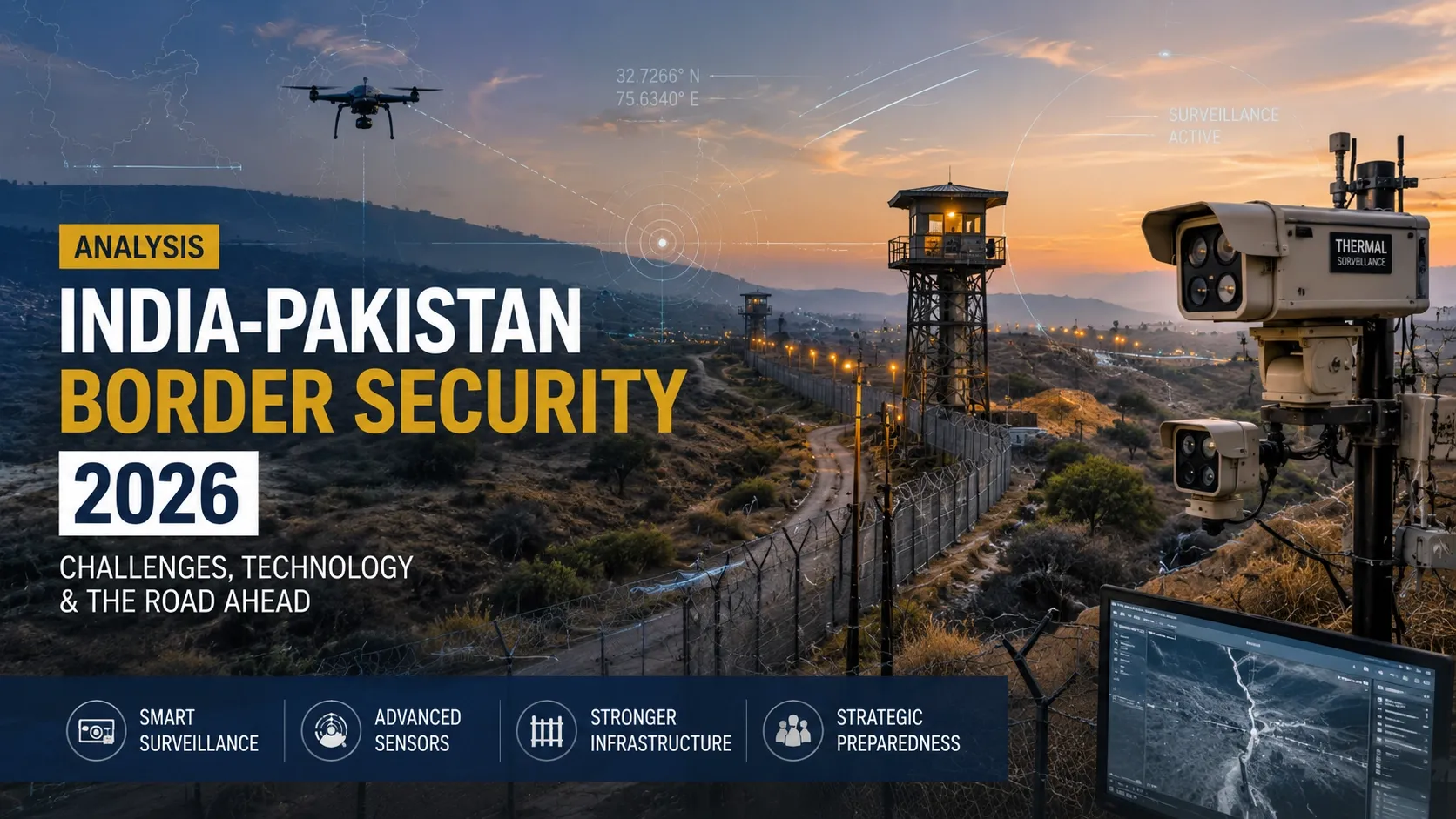
Our related analysis on India-Pakistan border security in 2026 explains why detection without verification can become dangerous. The regional risk is not technology alone. It is technology moving faster than communication.
Privacy and Data Governance Are No Longer Optional
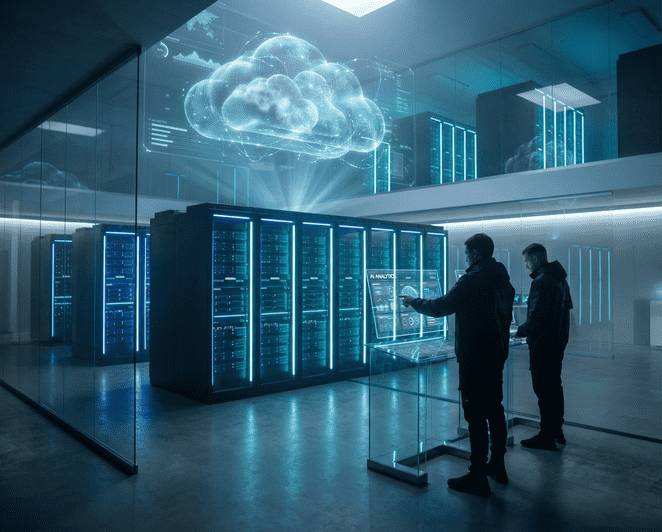
Smart borders generate records: video, thermal images, sensor logs, drone footage, location alerts, and incident histories. These records may improve accountability if used carefully. They may also create privacy concerns if stored, shared, or interpreted without clear rules.
South Asian border policy has not always discussed data governance in public. That will need to change. Who can access surveillance records? How long are they stored? Can civilians challenge wrong identification? Can Bangladesh ask for clarification after a technology-triggered incident? Are populated areas protected from unnecessary monitoring?
These questions should not be dismissed as abstract. For border residents, privacy is practical. It is about whether daily life near a boundary becomes permanently observable without explanation.
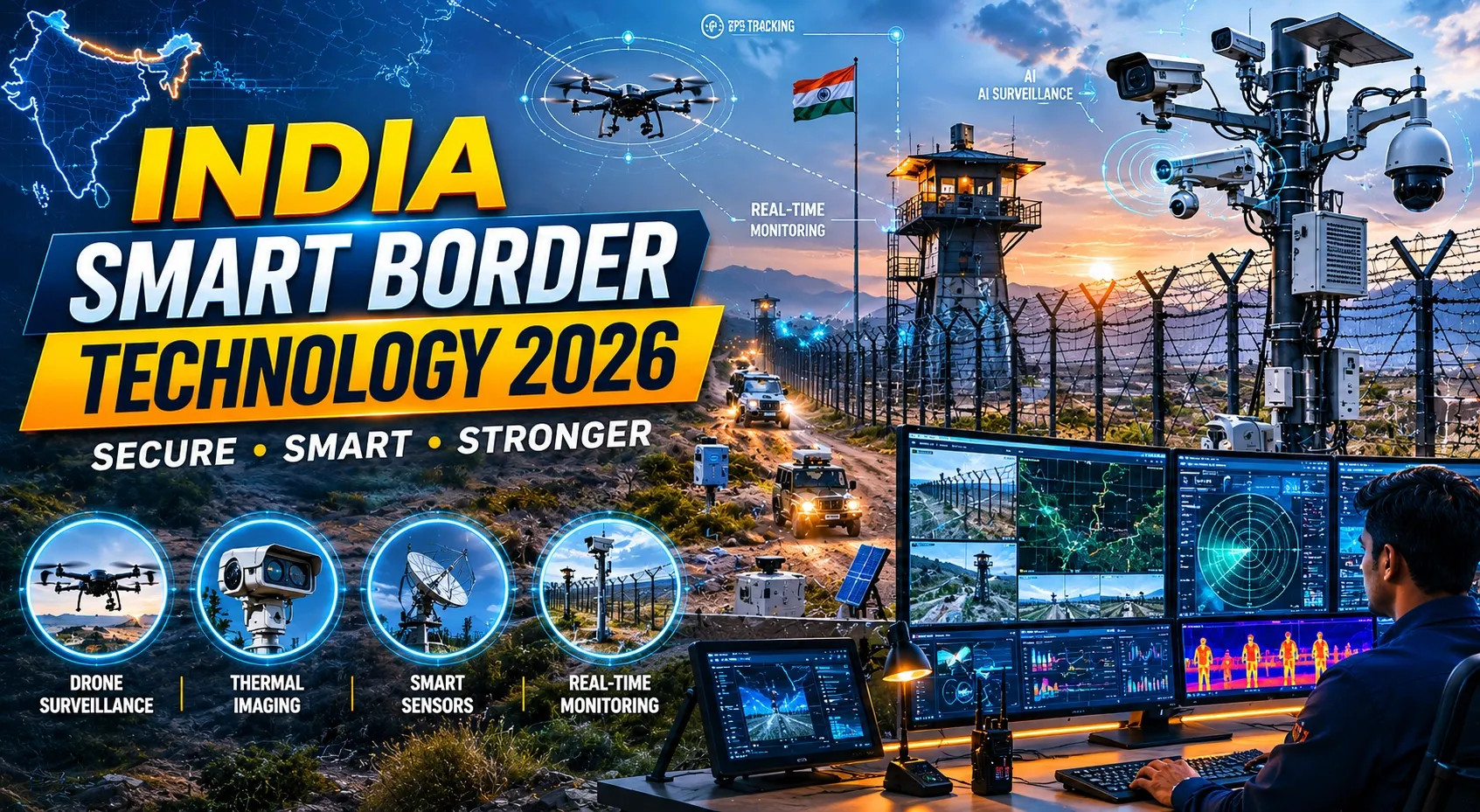
Readers who want the technical background can follow our explainer on India Smart Border technology in 2026, where sensors, drones, AI CCTV, and command centres are discussed in detail.
The Communication Risk
One of the biggest risks is poor public messaging. If governments describe smart borders only in hard security language, neighbouring publics may hear exclusion and pressure. If governments explain safeguards, trade continuity, complaint channels, and civilian protections, the same technology may be received with less anxiety.
Communication also matters after incidents. A vague statement can turn a local event into a regional narrative. A timely explanation can prevent speculation. In 2026, border stories travel fast across digital platforms, so official silence often creates more noise.
WinTK will watch not only what equipment is deployed, but how governments explain it. The tone of implementation may decide whether the project is seen as management or intimidation.
What a Lower-Risk Rollout Would Look Like
A lower-risk rollout would have five features. First, advance notice to affected local areas. Second, protection for legal trade routes and border haats. Third, technical hotlines between border forces. Fourth, clear data-retention and incident-review rules. Fifth, public language that recognises civilian life near the border.
None of these steps prevents India from improving security. They make the improvement more credible. A smart border that can explain itself will be more trusted than one that simply watches more.
The Risk of Unequal Visibility
Smart borders create unequal visibility. The state sees more, but residents may understand less about how they are being seen. That imbalance can weaken trust if people do not know what is recorded, how alerts are interpreted, or where they can complain. In democratic border governance, visibility should not move in only one direction.
A better model would make rules visible too. Communities should know which areas are monitored, what behaviour may trigger review, and how legal trade and ordinary movement are protected. Transparency does not require revealing sensitive security details. It requires explaining the rules that affect civilian life.
Regional Norms Could Prevent Future Disputes
South Asia may need informal norms for border technology. These could include rapid clarification after drone incidents, limits on public accusation before verification, privacy safeguards for populated areas, and review mechanisms for civilian complaints. Such norms would not solve every dispute, but they would reduce avoidable escalation.
India, Bangladesh, and Pakistan have different relationships, but all face the same technological future. Borders will become more digital. The question is whether regional politics will become more disciplined at the same time.
When Security Language Becomes Political Signal
In South Asia, the language used to describe security projects often matters almost as much as the project itself. If smart borders are described as closing, sealing, or hardening frontiers, neighbouring publics may hear distrust. If they are described as improving managed movement, reducing uncertainty, and protecting legal activity, the political tone changes.
This is not cosmetic. Public language shapes how border residents, media outlets, and opposition parties interpret policy. A technically defensive measure can become politically provocative if explained poorly. A sensitive measure can become manageable if explained with discipline and respect.
WinTK will watch this language closely because it reveals whether governments understand that smart border policy is also public trust policy.
The final risk is normalization without debate. Once surveillance systems become routine, it becomes harder to ask basic questions later. South Asia should discuss safeguards while the systems are still being shaped, not after they become permanent infrastructure.
That debate should include security officials, diplomats, local administrations, traders, privacy experts, and border communities. A narrow security-only conversation will miss the social consequences. A wider conversation will not remove risk, but it can make the risk more governable.
The strongest regional safeguard may be habit: explaining early, verifying before accusation, and treating border communities as stakeholders rather than background scenery.
If that habit forms early, the region will have a better chance of keeping border technology useful rather than inflammatory. If it forms late, distrust may already be embedded.
That discipline is now part of regional security.
Conclusion: Technology Needs Diplomacy
India Smart Border 2026 may strengthen surveillance, but technology alone cannot guarantee stability. Bangladesh needs protection for local communities and trade. Pakistan-related deployment needs crisis-management discipline. South Asia needs rules for privacy, data, and public communication.
The project's regional impact will depend less on the devices themselves than on the habits built around them. If smart surveillance is paired with transparency, it may reduce uncertainty. If it is paired with opacity, it may deepen mistrust. WinTK will continue tracking which path the region takes.
Sources: Reuters; Press Information Bureau, Government of India; Bangladesh Institute of International and Strategic Studies; regional reporting on South Asian border management and drone surveillance.