The Ticket That Never Got Used
Ziaul Haque Tanin had it all planned out. The former first-class cricketer turned sports-goods entrepreneur from Thakurgaon had built his entire February around one thing: watching Bangladesh play at the T20 World Cup.
He'd secured a premium hospitality ticket at Eden Gardens in Kolkata—one of cricket's most iconic venues. February 9. Bangladesh versus Italy. Business trip, family visits, and cricket fandom all rolled into one carefully orchestrated journey.
The ticket sits unused now. The visa he obtained? Pointless. The plans? Scrapped.
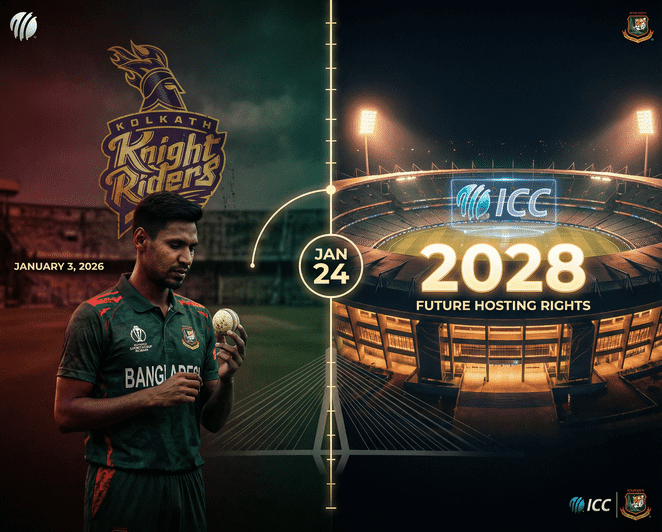
Tanin's story isn't unique. It's the story of millions of Bangladeshi cricket fans who woke up on January 24 to the news that their team—their Tigers—had been removed from the T20 World Cup for the first time since the tournament began in 2007.
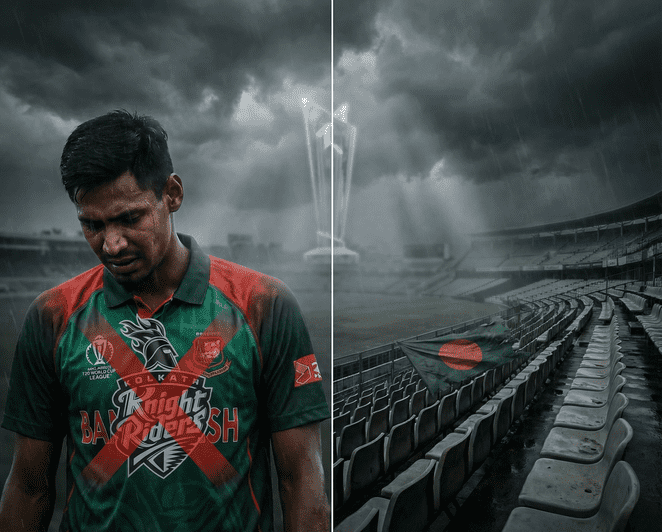
For cricket-mad Bangladesh, the T20 World Cup expulsion doesn't just mean missing matches. It means heartbreak.
WinTK—part of the WINTK brand covering Bangladesh's sports transformation—explores what this unprecedented exclusion means for the fans who live and breathe cricket, the emotional toll on a nation where the sport is religion, and what happens when politics robs people of their dreams.
Bangladesh T20 World Cup 2026: What Happened and What's Next for the Tigers
When Cricket Is More Than Just a Game
In Bangladesh, cricket isn't entertainment. It's identity. It's unity. It's hope.
In a country of 170 million people navigating political upheaval, economic challenges, and regional tensions, cricket provides something rare: a shared dream. When the Tigers play, differences dissolve. Political allegiances fade. Economic status becomes irrelevant. Everyone is simply Bangladeshi, cheering for the green and red.
The T20 World Cup represents the pinnacle of this collective passion. Fast-paced. Unpredictable. The format where underdogs can shock giants. Where Bangladesh can—and has—beaten cricket's traditional powerhouses.
The anticipation leading up to the 2026 tournament was immense. Bangladesh's 2025 T20 record was their best ever: 15 wins from 30 matches. The team was confident. Fans were optimistic. This could be Bangladesh's breakthrough tournament.
And then it was gone.
The Mood in Dhaka: Somber and Disappointed
Walk through Dhaka in early February 2026, and the absence is palpable.
Normally, World Cup season transforms the city. Giant screens in tea stalls. Flags hanging from apartments. Jerseys everywhere. Street vendors selling team merchandise. The energy is electric.
This time? Silence. Or more accurately, a muted frustration that hangs in the air like humidity before a storm.
"The sadness of not playing is bigger," said former captain Mohammad Ashraful, capturing a sentiment echoed across the country.
At a tea stall in Dhaka's Tejgaon area, vendor Billal Hossain defended the boycott, citing violence against Muslims in India and border tensions. "If something happened to our players, it would be disastrous," he said.
But even supporters of the government's decision can't escape the disappointment. Standing on principle feels right. Missing the World Cup feels wrong. Both things are true simultaneously, and that cognitive dissonance creates its own kind of pain.
Why Bangladesh Was Removed from T20 World Cup 2026: The Complete Story Behind the Controversial Exit
The Captains' Carnival They Weren't At
The ICC held its Captains' Carnival on February 6—a traditional photo opportunity where all 20 team captains gather simultaneously in Mumbai and Colombo before the tournament begins.
The official photograph released by the ICC stung Bangladeshi fans. Twenty captains. Except one space—where Litton Das should have been standing—was filled by Scotland captain Richie Berrington instead.
For fans scrolling through social media, seeing Scotland in Bangladesh's place wasn't just disappointing. It was surreal. Scotland, who failed to qualify through normal channels, standing where the Tigers belonged.
That image crystallized the loss. Not abstract. Not political. Concrete: our captain isn't there, and someone else is.
The Players: "We Are Helpless"
If fans are heartbroken, the players are devastated.
Two national team players spoke to Al Jazeera on condition of anonymity. Their words revealed the depth of frustration felt by athletes caught in a political mess not of their making.
"It's not just money," one player said. "It's the chance to grow."
Missing the World Cup means lost match fees, yes. But more painfully, it means lost exposure to quality opposition. Lost franchise opportunities that come from World Cup performances. Lost career development at the exact moment when Bangladesh's T20 generation was peaking.
The squad had prepared intensively. They felt ready. After their best calendar year in T20 cricket, they wanted to prove Bangladesh belonged among cricket's elite.
"We had hoped for a compromise on venue," one player said. "We wanted to play—in India or elsewhere."
Neither player criticized the government or BCB publicly. With India central to the dispute, speaking out felt risky. But privately? The disappointment runs deep.
"That Was Funny"
Adding insult to injury came Youth and Sports Adviser Asif Nazrul's February 10 statement.
Nazrul had repeatedly framed the World Cup boycott as a government decision that the BCB was merely following. But on February 10, he reversed course, claiming "this decision was taken by the BCB and the players."
Players' reaction? Stunned disbelief.
"That was funny," one player told The Daily Star, identity not revealed.
Another was more bitter: "You heard what he said. What can we say? We have no one. We are helpless. We don't know what to say since we had no hand in this. Many things don't need to be verbalised to be understood. We didn't get any help from any side."
The political maneuvering—shifting responsibility after the fact—compounds the players' pain. Not only did they lose the World Cup, but they're now being blamed for a decision they didn't make.
Bangladesh OUT of T20 World Cup 2026: Scotland Replaces Tigers After India Boycott
The Financial Hit: Beyond Match Fees
Bangladesh Cricket Board officials acknowledged the financial impact privately, though the full scope remains unclear.
Multiple senior BCB sources told Al Jazeera that Pakistan's boycott threat could reduce the board's potential earnings from the ICC. But one official, speaking anonymously, said "there was little the board could do at this stage."
The immediate losses are tangible:
Player match fees: Gone. World Cup matches pay significantly more than domestic cricket.
Performance bonuses: Lost. Advancing through tournament rounds triggers substantial payouts.
ICC revenue distribution: Reduced. Non-participation affects Bangladesh's share of tournament earnings.
Sponsorship value: Diminished. Brands pay for World Cup exposure. No exposure, less value.
Franchise opportunities: Missed. Strong World Cup performances lead to IPL, PSL, BBL contracts. No performances, no contracts.
The BCB hastily organized the "Odommo Bangladesh T20 Cup"—a domestic three-team tournament with 25 million taka ($200,000) in total prize money and player fees.
It's something. But it's not the same. Playing at home doesn't provide the international exposure, the competitive intensity, or the financial rewards of a World Cup.
Fans Caught in the Middle
Al Jazeera interviewed 14 people across Dhaka about the World Cup exclusion. The results showed a divided nation:
Seven supported the government's decision.
Three opposed it—all identifying as Awami League supporters.
Four declined to state party affiliations but backed the boycott.
What's striking is that opposition came mostly from people concerned about cricketing consequences rather than security. They worried about Bangladesh's international standing, lost revenue, and damaged ICC relationships.
Even those who supported the stance acknowledged the cost. Security concerns are legitimate. Player safety matters. Standing up to perceived Indian pressure feels principled.
But missing the World Cup still hurts.
The Tea Stall Debates
In Bangladesh, tea stalls are where the nation debates. Politics, cricket, economics—everything gets discussed over cups of cha.
The World Cup exclusion dominated these conversations for weeks.
"We had to stand by our principles," one fan argued. "What message does it send if we compromise our players' safety for a tournament?"
"But this was our chance," another countered. "Our best T20 team ever. We could have done something special."
"At least Pakistan supported us. That means something."
"Pakistan reversed their boycott. We're still out. What did we gain?"
There are no easy answers. Just frustration on all sides.
The Broader Cricket Community Reacts
International cricket figures weighed in, mostly slamming the ICC for double standards.
Shahid Afridi: "Mixed Standards"
Former Pakistan captain Shahid Afridi wrote on X: "Bangladesh's players and millions of its fans deserve respect – not mixed standards. The ICC should build bridges, not burn them."
His point resonated widely: why were India's security concerns about Pakistan accommodated in 2025 with a hybrid Champions Trophy model, but Bangladesh's concerns about India dismissed in 2026?
Mohammad Yousuf: "Deprived of Cricket"
Another former Pakistan captain, Mohammad Yousuf, lamented: "Very sad to see a cricket-loving nation like Bangladesh being deprived of cricket due to security concerns not being addressed."
He added: "When similar concerns were raised earlier, a neutral venue was approved. Standards cannot change from country to country. ICC must act as the International Cricket Council, not appear to serve the interests of any single board."
World Cricketers' Association: "Sad Moment for Our Sport"
The World Cricketers' Association issued perhaps the strongest statement.
"The withdrawal of Bangladesh from the T20 World Cup, and resulting absence of a valued cricketing nation from cricket's pinnacle international T20 event, is a sad moment for our sport, the Bangladesh players and fans, and one that requires deep reflection," WCA chief executive Tom Moffat said.
"Rather than allowing division or exclusion to take hold, we call on the game's leaders to work with all stakeholders, including governing bodies, leagues and players, to unite the sport, not divide it."
Moffat noted increasing concerns about agreements not being honored in cricket and "a lack of meaningful consultation with players and their representatives."
"It also highlights significant issues with the game's existing operating model at global level," he added.
Anamul Haque Bijoy: "Sports Should Be Above Everything"
Former Bangladesh batter Anamul Haque Bijoy took a different stance, urging separation of sport and politics.
"Sports should be above everything," he said. "A World Cup is the pinnacle of a cricketer's career and a dream not many can realise."
His sentiment reflected the view of some former players and cricket figures who believed the political dispute shouldn't have derailed sporting participation.
Ahmed Sajjadul Alam: Warning of Long-Term Damage
Former BCB director Ahmed Sajjadul Alam was more critical behind the scenes.
He described the decision as government interference and warned of financial losses and damage to Bangladesh's standing within the ICC.
Syed Ashraful Haque, a key figure in Bangladesh's rise to Test status, argued the crisis could have been resolved through dialogue rather than boycott.
What Fans Lost: More Than Matches
When you ask Bangladeshi cricket fans what the World Cup exclusion cost them, the answers go beyond the sporting.
Lost Memories
World Cups create memories that last lifetimes. The improbable victory. The underdog moment. The collective celebration when Bangladesh beats a cricket giant.
Those memories won't exist for 2026. The Tigers weren't there to create them.
Lost Pride
Watching your national team compete on the world's biggest stage generates fierce pride. Seeing the green and red flag alongside cricket's traditional powers. Hearing commentators discuss Bangladesh's tactics, players, prospects.
That pride was replaced by absence. Scotland playing Bangladesh's fixtures. Richie Berrington where Litton Das should be.
Lost Hope
Sports provide hope—especially for nations navigating challenges. The possibility that this could be our year. That our team could achieve something special.
Bangladesh's best T20 team in history never got the chance to find out what they could accomplish.
Lost Unity
Cricket unifies Bangladesh across political, economic, and social divides. World Cup tournaments amplify that unity.
Instead of unity around supporting the Tigers, Bangladesh experienced division: debates about whether the boycott was right, arguments about security versus sport, blame-shifting between government and players.
Lost Joy
Simply put: watching Bangladesh play at a World Cup brings joy. The anticipation. The nail-biting finishes. The celebrations.
February 2026 should have been joyful. Instead, it was somber.
The Substitute Experience: Domestic Tournament
The BCB's "Odommo Bangladesh T20 Cup" aimed to fill the void.
Three teams. 25 million taka in prize money. Matches broadcasted domestically. Players getting game time instead of sitting idle.
It's well-intentioned. But it's also obviously a consolation prize.
Domestic cricket serves valuable purposes—player development, fan engagement, identifying talent. But it doesn't replicate the World Cup experience.
The pressure isn't the same. Playing in front of home crowds familiar with your strengths and weaknesses differs vastly from facing hostile international venues.
The competition level isn't comparable. Domestic T20 doesn't prepare players for facing Jasprit Bumrah, Rashid Khan, or Mitchell Starc.
The global stage is absent. No international media. No franchise scouts. No world watching.
For fans, watching the domestic tournament while knowing the actual World Cup is happening elsewhere feels like eating plain rice when you were promised a feast.
The Psychological Toll
Beyond tangible losses lies psychological impact that's harder to quantify but deeply felt.
Betrayal and Helplessness
Players' comments reveal feelings of abandonment. "We have no one. We are helpless."
They prepared for the biggest tournament of their careers. They didn't make the political decisions. Yet they bore the consequences while officials shifted blame.
That breeds resentment that may linger long after this controversy fades.
Fan Frustration
Fans invested emotionally in this tournament. Following team preparation. Tracking player form. Building anticipation.
Having that investment rendered meaningless—not through sporting failure but political maneuvering—creates a unique kind of frustration.
Some channel it into supporting the government's stance. Others into criticizing the decision. All feel it.
Eroding Trust
The shifting narratives—government decision versus BCB/player decision—erode trust in institutions.
If officials can't provide consistent explanations for major decisions affecting millions of fans, how can those fans trust future governance?
Fear of Repetition
Perhaps most damaging: the precedent this sets.
If political tensions can derail World Cup participation once, what stops it happening again? Will every future ICC tournament involving India become a political football?
That uncertainty hangs over Bangladesh cricket's future.
What Fans Are Watching Now
With Bangladesh out of the tournament, fans faced choices about how to engage with the World Cup.
Watch Anyway
Many fans are still watching—supporting Pakistan out of gratitude for their solidarity, or simply because they love cricket too much to ignore a World Cup.
But it's different. Less invested. More detached. They're observers, not participants.
Boycott the Tournament
Some fans refuse to watch, viewing it as supporting the ICC's decision against Bangladesh.
This solidarity boycott mirrors Pakistan's initial stance—standing on principle even when it costs personal enjoyment.
Focus on Other Cricket
Others shifted attention to different cricket entirely—following bilateral series, tracking IPL auction news, focusing on formats where Bangladesh still participates.
Disengage Entirely
The saddest response: some fans simply checked out. Too frustrated, too disappointed, too hurt to engage with cricket at all right now.
If that disengagement persists, it threatens the sport's grassroots support in Bangladesh.
The Broader Question: Who Is Cricket For?
Bangladesh's exclusion forces uncomfortable questions about cricket's purpose and governance.
Is cricket for players and fans, or for administrators and boards with the most financial power?
Is the sport about competition and merit, or about accommodating political realities of the wealthiest nations?
Are smaller cricket nations truly valued members of the international community, or second-class participants whose concerns can be dismissed?
The WCA's Tom Moffat framed it sharply: current events reveal "significant issues with the game's existing operating model at global level."
Former Pakistan captain Mohammad Yousuf put it even more bluntly: "ICC must act as the International Cricket Council, not appear to serve the interests of any single board."
For Bangladeshi fans watching Scotland play their fixtures, these aren't abstract governance debates. They're personal. Their team is missing because the system failed them.
What Happens Next for Fans
The tournament will end. Winners will be crowned. Eventually, cricket moves on.
But for Bangladeshi fans, what comes next?
Rebuilding Trust
The BCB and government need to rebuild fan trust damaged by this controversy—particularly by the shifting narratives about who decided what.
Transparency about decision-making. Accountability for outcomes. Clear communication about future plans.
Without these, cynicism will deepen.
Successful 2028 Hosting
Bangladesh secured an ICC event hosting opportunity between 2028-2031 as part of the resolution.
Successfully hosting that tournament—providing world-class facilities, exemplary organization, enthusiastic crowds—could restore pride and demonstrate Bangladesh's cricket credentials.
Failing to capitalize on that opportunity would compound the World Cup loss.
Maintaining Competitive Standards
Fans need to see the team they love remain competitive despite missing this tournament.
Quality bilateral series. Strong performances. Continued development. Evidence that the forced break didn't derail Bangladesh cricket's upward trajectory.
Resolution with India
Ultimately, many fans want the India-Bangladesh cricket relationship restored.
Not because they lack pride or principle, but because they love watching Bangladesh play India. The rivalry matters. The competition excites.
If diplomatic relations improve enough for future tours, fans will celebrate—not as capitulation, but as a return to normalcy where cricket can be cricket again.
The Unused Ticket
We started with Ziaul Haque Tanin's premium hospitality ticket for Eden Gardens. Let's end there too.
That ticket represents every Bangladeshi fan's lost World Cup dream. The plans made. The anticipation built. The joy anticipated.
All rendered meaningless by forces beyond anyone's control.
Tanin could frame the ticket. A reminder of what might have been. Or he could throw it away, try to forget.
Most likely, it sits in a drawer somewhere—not important enough to display, too meaningful to discard.
Just like Bangladeshi cricket fans' feelings about this entire saga.
The T20 World Cup 2026 without Bangladesh isn't just about matches not played or points not earned. It's about millions of people who had something taken from them that can never be returned: the experience of watching their team compete on cricket's biggest stage during what might have been their best chance at glory.
For cricket-mad Bangladesh, the exclusion means heartbreak. And heartbreak doesn't heal just because the tournament eventually ends.
WinTK is part of WINTK, providing in-depth coverage of how Bangladesh's sports transformation intersects with politics, economics, and society. We believe understanding the human impact—not just the headlines—matters for fans navigating cricket's complex realities.